
The Sharjah rental market is experiencing a profound, structural transformation. For years, Al Marwan Real Estate has served as a steady hand in the UAE’s property sector, witnessing the evolution of our local cities from the ground up. As we navigate the complexities of 2026, we are observing a highly sophisticated shift in tenant behavior across the emirate.
Today’s residents are moving far beyond the historic baseline of mere affordability. Instead, the modern rental landscape is defined by an accelerating demand for long-term stability, radical operational transparency, and premium property management. Both landlords and tenants must adapt to this new era of real estate maturity.
The 2026 Tenant: From Price-Seekers to Value-Optimizers
Historically, Sharjah’s rental market was driven primarily by its competitive price point relative to neighboring emirates. For years, families and young professionals chose the emirate simply to get more square footage for less money. However, that traditional, single-dimensional narrative has officially changed.
Today’s tenants have evolved into sophisticated Value-Optimizers. They are no longer just looking for the lowest rent available on the classified pages; they are looking for the highest total return on their daily living experience. They view their rent as an investment in their lifestyle, safety, and peace of mind.
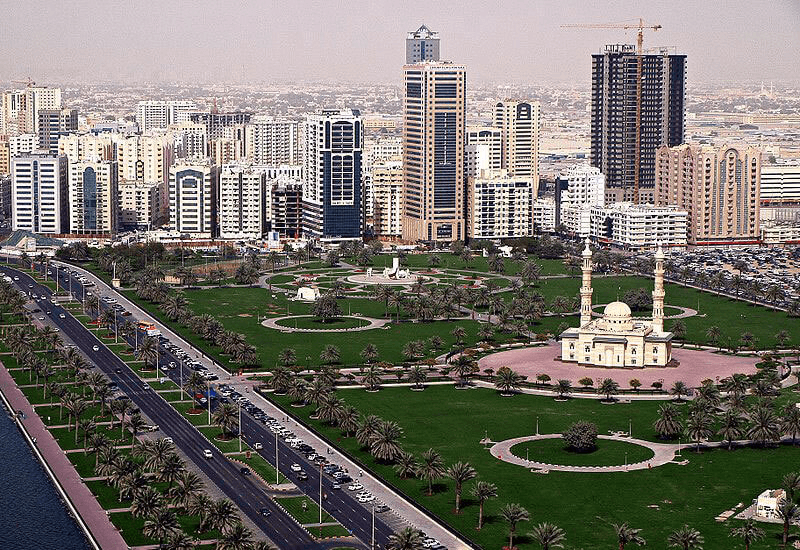
At Al Marwan, we have identified three core pillars currently defining these modern tenant choices:
- The Flight to Maintenance: Tenants are heavily gravitating toward buildings with documented maintenance excellence. With the rise of smart property management, residents prioritize buildings where AC systems, elevators, and common areas are managed proactively. In fact, a well-maintained older building is now frequently preferred over a poorly managed brand-new one.
- Radical Transparency: The casual handshake deal has been entirely replaced by the data-driven lease. Modern tenants expect clear, upfront terms regarding service charges, utility histories, and renewal conditions to protect their household finances.
- The Rise of Owner-Managed Properties: There is a noticeable market shift away from fragmented sub-leasing practices. Tenants are actively seeking properties managed directly by the building owners or reputable institutional firms like Al Marwan. This direct line of communication offers enhanced security and a faster resolution of daily grievances.
Why the Rental Interview is Now Two-Sided
If you are a property owner who has noticed tenants asking far more detailed questions before signing a lease, you are not alone. In 2026, the traditional property viewing process feels much more like a mutual interview. Prospective residents are carefully vetting landlords just as much as landlords are vetting their backgrounds.
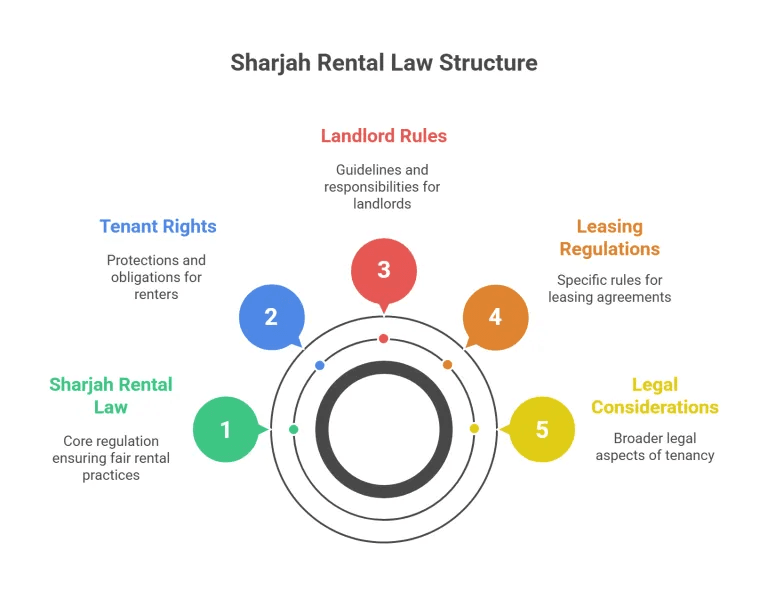
This shift is driven by a highly educated demographic that understands their rights and knows exactly what makes a home functional. During these modern property viewings, tenants are primarily inquiring about three major operational factors:
- Digital Payment Flexibility: With the UAE’s widespread transition toward Direct Debit systems and digital banking, tenants expect modern convenience. They are increasingly bypassing traditional landlords who strictly demand the legacy four-cheque payment system.
- Sustainability & Efficiency: Questions regarding DEWA/SEWA history and energy-efficient fixtures have become standard practice. Residents want to understand and manage their total cost of living, optimizing their consumption rather than paying for outdated, inefficient infrastructure.
- Community Integrity: Renters are actively vetting the neighbor profile before moving into a building. They want to ensure the property strictly aligns with family-oriented regulations, noise guidelines, and legal occupancy limits to protect their quality of life.
Then vs. Now: A 5-Year Property Evolution
The expectations of a tenant today compared to five years ago reveal a property market that has matured significantly. By looking back at 2021, we can see just how rapidly consumer demands have shifted toward an institutionalized framework.
In 2021, the Sharjah rental market was largely transaction-focused, often characterized by fragmented sub-leasing, paper-heavy administration, and rigid multi-cheque requirements. Landlords held the upper hand regarding terms, and maintenance was largely a reactive service handled only when major breakdowns occurred.

Fast forward to 2026, and the entire ecosystem prioritizes institutional trust, direct landlord relationships, and flexible digital payments. Furthermore, legal protections have reached new heights. Renters today are highly well-versed in the New Sharjah Rental Law, which mandates official lease registration within 15 days and provides a crucial three-year rent-freeze protection.
The Investor’s Edge: Quality as a Retention Strategy
For property landlords and real estate investors, this behavioral shift is actually an incredibly positive market signal. While the Value-Optimizer tenant may seem more demanding during the initial signing phase, they bring immense long-term financial value to an investment portfolio.
These high-quality tenants are far more likely to renew their leases and take care of the physical property. This directly reduces the high operational costs associated with frequent unit turnover, marketing fees, and extended vacancy periods.
- Predictability: The most resilient real estate assets in Sharjah’s 2026 market are those that offer operational predictability and reliable cash flows.
- Heritage & Innovation: By aligning with Al Marwan’s strict standards of architectural integrity, landlords tap into a loyal base of professional tenants who value heritage just as much as innovation.
- Sustained ROI: Whether you manage a heritage portfolio or want to enter emerging waterfront districts, understanding these shifting sands is the ultimate key to sustained ROI.
Emerging Horizons: The Waterfront Districts
As tenants prioritize lifestyle and value, Sharjah’s emerging waterfront districts are seeing unprecedented demand. These new areas combine modern architectural design with community-centric layouts, making them a primary target for the 2026 Value-Optimizer.
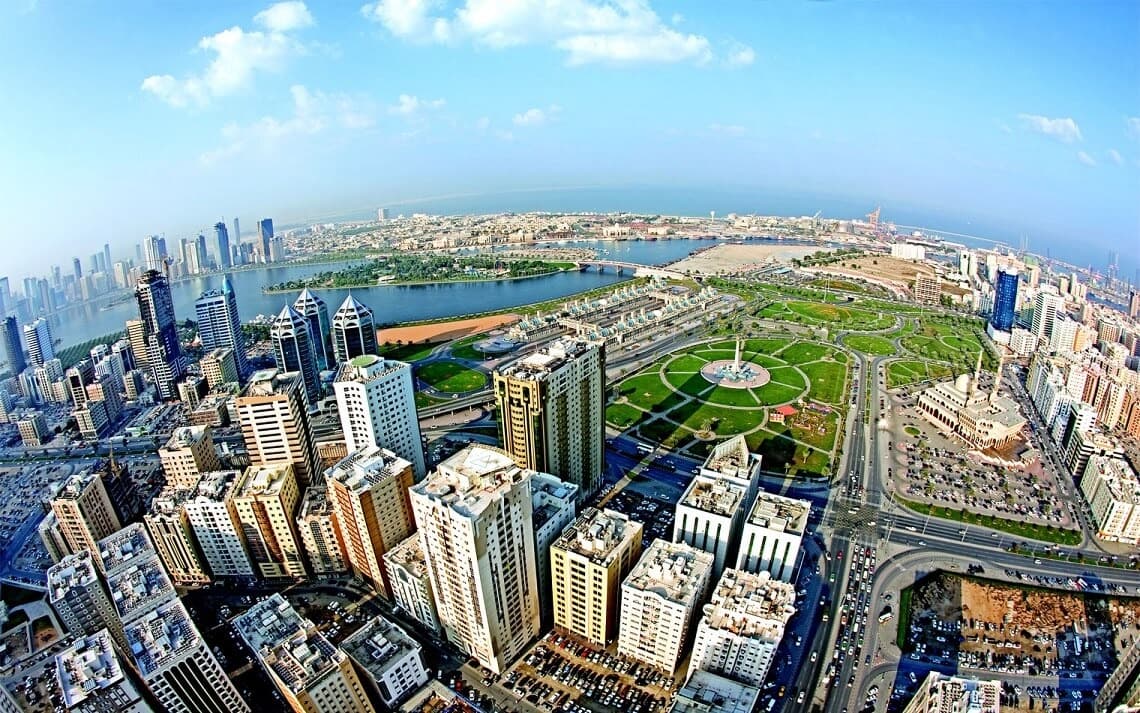
However, even in these premium districts, brand-new keys are not enough to secure long-term tenants. The properties that succeed are those backed by established property management frameworks that promise long-term stability. Investors looking to enter these premium zones must prioritize institutional property management from day one to safeguard their returns.
Frequently Asked Questions (FAQ)
What is the New Sharjah Rental Law of 2026?
The New Sharjah Rental Law introduces strict regulatory protections for residents, most notably mandating that all leases must be officially registered within 15 days of signing. It also provides tenants with a three-year rent-freeze protection to ensure community stability and prevent arbitrary price hikes.
Why are tenants shifting toward owner-managed properties?
Tenants prefer owner-managed or institutionally managed properties because they eliminate the legal and financial risks associated with fragmented sub-leasing. Dealing directly with reputable firms ensures faster grievance resolution, reliable building maintenance, and absolute legal security.
How has payment flexibility changed for Sharjah rentals?
The traditional four-cheque system is fading fast as the UAE transitions toward Direct Debit payments and digital banking. Modern tenants actively look for landlords who offer digital convenience and flexible monthly payment structures to better manage their household cash flow.
What maintenance factors matter most to tenants today?
Tenants prioritize proactive smart property management over reactive, emergency fixes. Essential building components like centralized AC systems, modern elevator safety, and clean common areas must be backed by documented excellence to retain high-quality residents.
How does high tenant retention benefit real estate investors?
High tenant retention eliminates the heavy costs of unit refurbishment, real estate agent brokerage commissions, and the lost revenue of vacant months. Value-Optimizers stay longer in properties that offer stability, resulting in a much higher and more predictable net ROI for the investor.


